
Look, there’s a whole lot to love about the wellness community on social media. Where else are you going to get your morning routine inspo, pilates combos and delicious dinner recipes?
But lurking amid your favorite “That Girl” content is a whole lot of fearmongering, misinformation and downright bad advice. From fitness influencers hawking their greens powders to self-proclaimed “hormone experts” ranting about carbs, the algorithms are packed with some seriously wild (and totally false) claims.
And don’t just take our word for it: Researchers at the University of Chicago found that nearly 60% of TikTok videos from non-medical influencers were filled with inaccurate or misleading info.
Fed up with the myths, I decided to turn to the real experts for the facts on the most popular wellness claims floating around your feed. And trust me, the truth just might surprise you…
The claim: All sugar is bad for you.
The verdict: False
OK, you probably know a Snickers bar isn’t exactly health food, but that random influencer telling you to cut carbs entirely? Don’t buy it.
Your body’s primary source of energy is—you guessed it—sugar (specifically, glucose). Removing it from your diet would mess with your mood, your focus and basically everything in between.
Here’s the thing when it comes to sugar: Choose natural sources like fruits, veggies and whole grains, says naturopathic physician Dr. Michelle Sands. While refined sugars (like sodas and candies) can cause inflammation, complex carbs come with plenty of benefits. That’s because they’re packed with fiber, vitamins and nutrients that support your brain, build strong muscles and help prevent disease.
So instead of ditching sugar altogether, swap out the processed stuff for better options (we heart SmartSweets for a candy fix)—and keep the bananas, broccoli and brown rice in your regular rotation.

The claim: You need to take <insert trendy new supplement here>.
The verdict: False
Collagen drinks! Probiotic pudding! Greens powders! Anti-acne pills!
Here’s the bottom line: As long as you’re eating a well-rounded diet (aka a good mix of protein, whole grains, fruits, veggies and dairy), you probably don’t need one.
“Supplements can help fill in gaps, but they shouldn’t be the main source of your nutrients,” says Dr. Sands. Vegan? A vitamin B12 supplement might be a good idea. Avoiding dairy? You could benefit from a capsule that has calcium and vitamin D.
But unless you’ve got specific dietary restrictions, odds are you’re covered. And don’t forget—supplements aren’t regulated by the FDA, so companies can easily make exaggerated or downright false claims about their products.
The claim: Period products have heavy metals in them.
The verdict: True (but there’s a caveat)
In 2024, a study found trace amounts of arsenic and lead in almost every major tampon brand. Scary, we know—especially since significant exposure to heavy metals can affect your nervous system and kidneys.
But here’s the thing: Scientists have not found enough evidence yet to say that this is actually a health risk.
“The amounts of these metals in tampons are very low, and more research is needed before we can link those to health problems,” explains Dr. Cornelia Hainer, head of science for Clue, a period-tracking app. “Right now, there’s no evidence that you need to be concerned about tampon use, but more research is important.”
The claim: Natural deodorant is better.
The verdict: False
Natural deos are popping up everywhere, but unless you genuinely heart the smell of eucalyptus, no need to toss your traditional antiperspirant.
Rumors are flying that the aluminum in regular deodorant can leach into your lymph nodes and wreak havoc—but the evidence for that is, well, just not there.
“No major health issues have ever been proven to be related to the amount of aluminum that you would get from using an antiperspirant,” says dermatologist Dr. Alicia Zalka. So swipe away, sister.
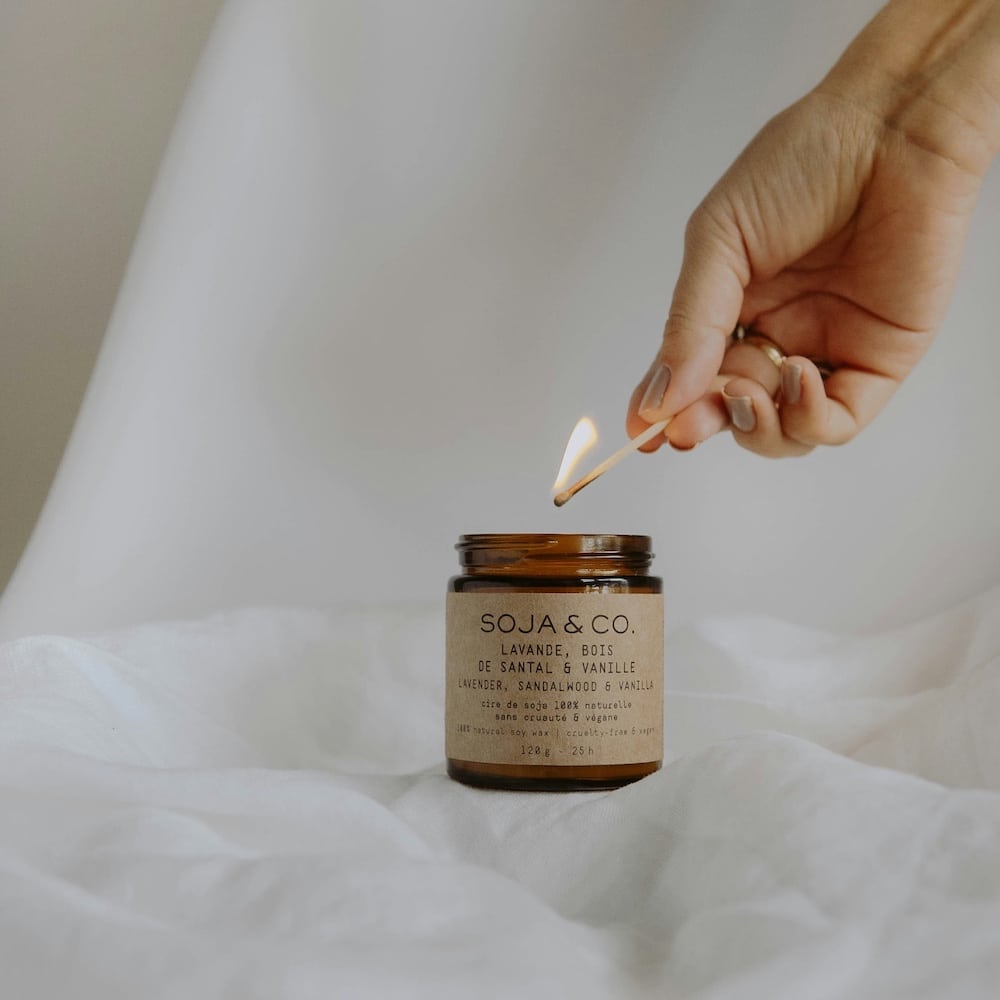
The claim: Candles are toxic.
The verdict: It depends
No need to toss your entire candle stash, but you may want to reconsider burning any that are scented with synthetic fragrances.
“Many use fragrance oils and paraffin wax, which can release volatile organic compounds like formaldehyde or benzene when burned. That can irritate your lungs over time,” says physician Dr. Shweta Patel.
For a safer option, opt for candles made from beeswax, soy or coconut. And to protect your airways, stick to unscented or essential oil-based candles.
Bottom line? “You’re probably fine if you’re burning one occasionally, but if your room looks like a candle store exploded, crack a window,” Dr. Patel suggests. Simply *must* light your beloved Volcano candle? Now you know what to do.
Hey, girl! Just to let you know, this piece originally ran in our April/May 2025 issue. Read our print mag for *free* today when you click HERE!
Top and slider image: @jasmine.jolanta