
March is Endometriosis Awareness Month. Here, 19-year-old actress Lily Brooks O’Briant shares her journey of battling chronic pain that no doctor could diagnose—until reading a random Instagram post led her to the truth.
It was just another day shooting on location. I was filming an emotional scene where the car broke down when the debilitating pain hit. My cramps were so intense that I had to curl up in the fetal position between takes on the dirt road.
The crew called the medics, but I reassured them I was going to be OK—this happened a lot. I waited for the director to call “rolling,” then forced myself to stand up and deliver my lines. As my concerned castmates looked on, I thought to myself, if they only knew this is how I live my life almost every day.
Is this normal?
I got my period when I was 13. And even from those first few menstrual cycles, I had a hunch that something wasn’t right. Not only did my periods last for 10 days, but the flow was really heavy. I had awful cramps—so bad they made me feel like throwing up.
Eventually, my symptoms started happening even when I wasn’t on my period. All month long, I had cramps, nausea and migraines. I lost weight because I was often in too much pain to eat.
The symptoms were so severe that I frequently had to cancel plans with friends, skip classes at school and suffer through long days on set. And then there was the anxiety—worrying about when the next wave would come and wondering if something was horribly wrong with me.
When more months went by with no signs of things improving, I went to various doctors seeking help. But each appointment was as disappointing as the next: My gynecologist told me it was just period cramps and handed me a pack of pills to make them better (didn’t work). My pediatrician said I had an eating disorder (not true) and referred me to a therapist. My therapist thought I might have digestive issues and suggested an allergist. You get the idea.
Frustrated (and wondering if the pain wasn’t *actually* as bad as I thought), I gave up trying to figure it out. I convinced myself that my symptoms were just part of being a girl. The doctors didn’t seem too concerned, so why should I be?
The search for answers
A few weeks later, I woke up with the worst abdominal pain of my life. My mom took me to the hospital, where they told me I had “an angry appendix” and did surgery to remove it. A part of me was relieved—maybe that was the cause of my issues this whole time.
But I didn’t have to wait long to find out that my appendix wasn’t the culprit. After the procedure, my cramps came back with a vengeance. I was so scared that whatever was happening in my body was going to keep me from doing what I loved: acting.
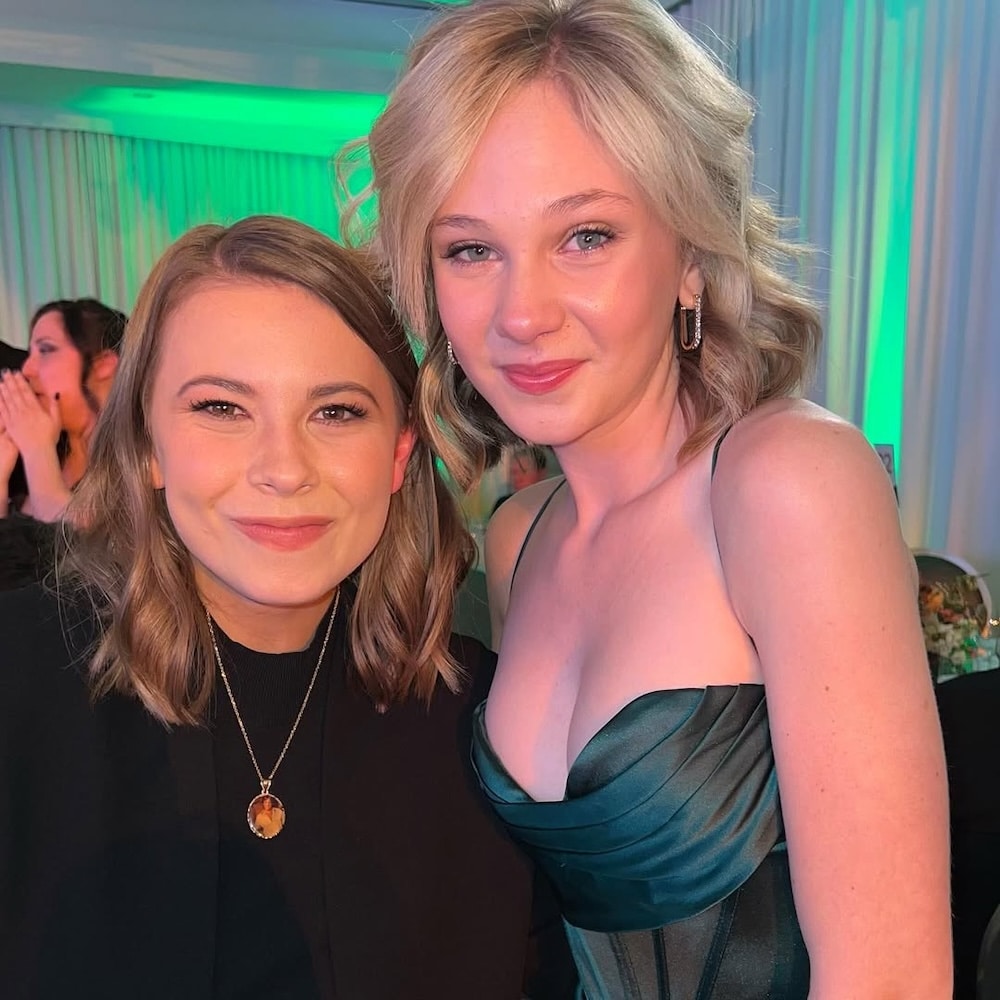
That is, until I saw Bindi Irwin’s Instagram post about her journey with endometriosis, a disease in which tissue from your uterus starts growing on other organs in your abdomen. I’d never heard of it before, but reading about her symptoms, it sounded exactly like what I was going through. It was the first sense of validation that maybe, just maybe, I had an answer.
My mom called every specialist in Los Angeles until someone could see me. But the first doctor, without even doing any scans or testing, told me that the pain was all in my head—and that I just needed to try harder to overcome it.
I felt like I was right back where I started, but my mom refused to give up. She got me in with another surgeon, Dr. Tamer Seckin. And that consultation changed my life.
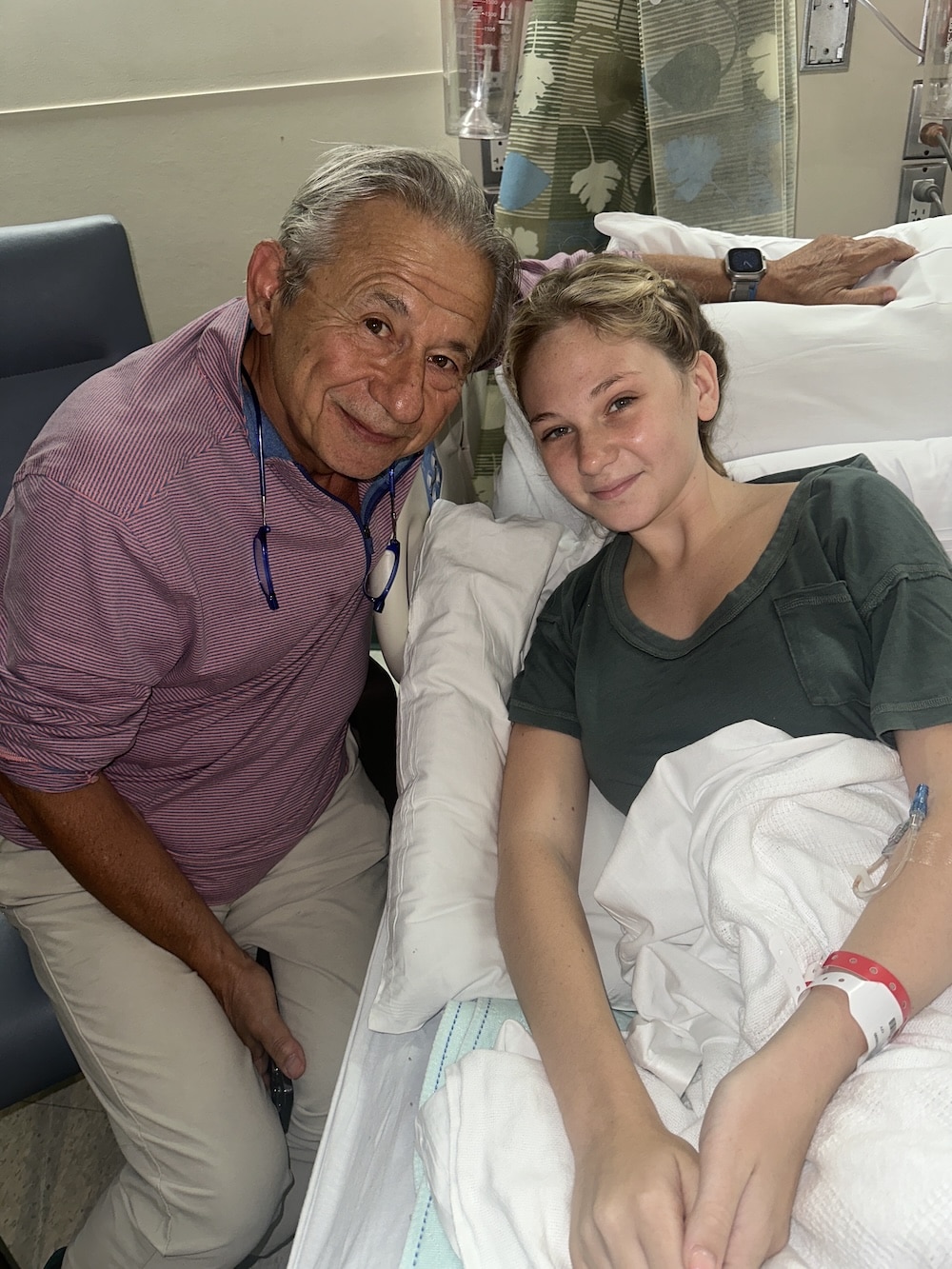
Within minutes of meeting me, Dr. Seckin was so reassuring. He believed that I was in pain—and he believed that something was wrong. I burst into tears. To have someone finally listen to me and acknowledge what I was going through was surreal.
The tricky thing about endometriosis is that you can’t officially diagnose it without exploratory surgery. But my symptoms were so severe that Dr. Seckin recommended the procedure. It was a huge leap of faith. Part of me wanted to have answers, but I also had to risk feeling like I was crazy if they didn’t see anything.
During the surgery, Dr. Seckin found and removed 21 endometrial adhesions (a pretty significant amount) from my ovaries, bowel and intestines. And that appendix issue from earlier? Turns out it was endometriosis all along.
I’d never felt so relieved. After everything I had been through, after every doctor who dismissed me, I finally had an answer.
My pain and my power
Since my surgery, I’ve been feeling amazing. I still get cramps occasionally, but they’re manageable—and I take medication to keep my periods at bay. I’m back to acting and recording new music. I’m traveling and hanging with friends again, too.
Through sharing my diagnosis story on social media, I’ve found an incredible community of girls who’ve gone through the same thing. I recently collaborated with my sister Hannah (who also has endo—because yep, it can run in families) on a YouTube documentary called Silent Suffering: How Endometriosis Affects Teens to help educate people about the disease.
Every time I get a DM from someone saying that I helped them finally find answers, I’m so grateful that I can be an advocate for this condition that is so common (1 in 10 women has it) yet so underdiagnosed.
Now that I actually understand endo, I feel so much more confident in my intuition and ability to advocate for myself. And that new mindset extends way beyond the doctor’s office: Whether it’s my body or my career or a relationship, this whole journey has made me better at speaking up.
Do I worry that the endo adhesions will come back? Of course. But now I’m armed with the information and support to treat them, and the trust in myself to listen to my body. And that alone is all the empowerment I need.
All about endo
What you need to know about symptoms, getting a diagnosis and standing up for yourself when something feels off.
💛 What are the main symptoms of endometriosis?
Painful periods and heavy bleeding are the most common signs, but endometriosis can also cause diarrhea, constipation, back pain, fatigue, bloating, nausea and frequent urination.
💛 When should I see a doctor?
If your symptoms are mild, track them for at least two months. Writing down exactly when you have pain will help your doc get a better sense of the problem. But if your symptoms are getting in the way of your everyday life (like daily pain or needing to skip plans), book an appointment ASAP.
💛 What if they dismiss my concerns?
Unfortunately, endometriosis is still misunderstood in the medical community (studies show it can take women up to 11 years to receive an official diagnosis). And because endo can affect so many parts of your body, doctors might mistake it for another condition.
Making a list of things you want to tell your doctor ahead of time can help. Jot down your questions and bring them to your appointment. That way, you won’t get flustered or forget important info.
It’s also good to have an advocate with you. If you feel comfortable, bring your mom, sis or someone else who can speak to your symptoms.
No matter what, remember this: Debilitating period pain is not normal. So don’t be afraid to get a second (or third) opinion.
💛 What other resources are out there?
Follow the Endometriosis Foundation of America online (their website and Instagram have helpful info and research). They also host community events where you can meet other people with endo.
Editor’s Note: Lily Brooks underwent a second endometriosis excision surgery in October 2025. She had 24 lesions removed from her ovaries, fallopian tubes, intestines, spinal nerves, bladder and more. More HERE.