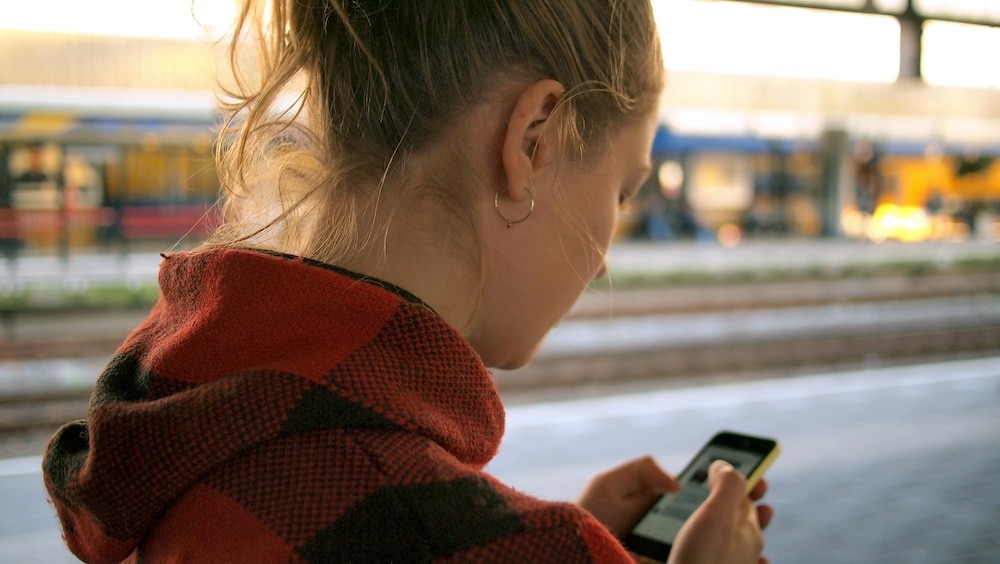
Can you imagine life without your daily TikTok scroll or Snap convo with your crush? Well, last week, that became a reality for teens in Australia, as the government enacted a ban on social media for anyone under the age of 16.
Why is this happening? 🤔
Prime Minister Anthony Albanese and the Australian government state that the goal of the ban is to encourage kids to spend more time offline and engage with the real world. Citing a study from earlier this year that found that seven out of 10 children on social media had been exposed to harmful content (think: violent videos, misogynistic messaging and content promoting eating disorders), the government believes the ban is necessary for teens’ safety.
What platforms are banned?
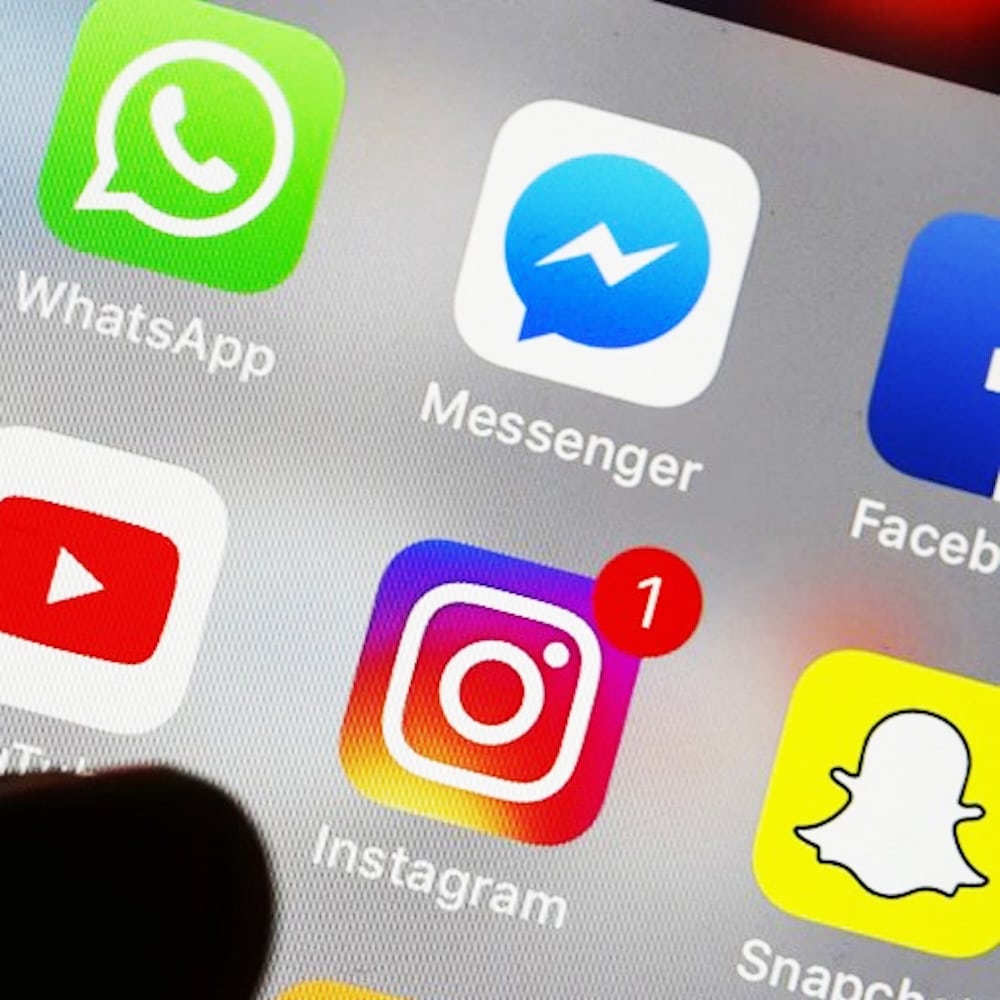
Ten major social media apps are included in the ban: Snapchat, YouTube, TikTok, Meta (aka Instagram, Threads and Facebook), X, Reddit and streaming platforms Twitch and Kick. Companies are deactivating accounts for users under the age of 16, and younger teens will no longer be able to create new profiles.
What platforms aren’t included?
The government evaluates social media platforms against a handful of criteria. Sites that don’t meet the criteria aren’t banned. Right now, platforms like YouTube Kids, Google Classroom, Discord, Roblox and WhatsApp aren’t affected.
How are platforms identifying under-16 accounts?
Most platforms use the date of birth linked to the account. Some are even checking ages via video selfies (which uses facial data points to predict their age), bank accounts or photo IDs.
How are kids in Australia responding to this?
Kids in Australia are turning to alternative apps that haven’t been banned yet, like Yope (a photo-sharing platform) and Lemon8 (a TikTok-like platform). Youth counselors and and support groups are worried kids who rely on social media for inclusion and are turning to alternative apps will end up in unregulated digital spaces where the apps are not as protected.
What does this mean for you?
Right now, there’s no law like Australia’s in the United States—but the conversation is definitely happening. Lawmakers, parents and schools are paying closer attention to how social media impacts teens’ mental health, sleep and self-esteem. Australia’s decision could influence future discussions here, especially as more research comes out.
The ban raises an important question worth thinking about: How much control does social media have over your day-to-day life—and how much do you actually *want* it to have?
If this news has you reflecting on your own social media usage, you’re not alone. And if you want to cut back for your own mental health, even small shifts can make a difference (like turning off notifications during homework, taking one social-free hour a day or curating your feed to include content that makes you feel inspired instead of stressed).
At the end of the day, you might not have to quit social media forever—but it’s important to make sure you’re using it in a healthy way. And whether or not laws ever change in the U.S., that’s something you can decide for yourself.
Looking for more articles like this? We got you girl:
⭐ What is Happening To LGBTQ+ Crisis Support?
⭐ Everything You Need To Know About The Potential TikTok Ban
⭐ This teen girl is spreading hope through honey
Top and slider image: @sydneygirlshighschool